Flexible Solar Panels for Curved, Lightweight Surfaces
Flexible solar panels are built for places where glass modules struggle: curved RV roofs, biminis, thin metal skins and drill-sensitive decks. They keep system weight low, follow the shape of your surface, and stay quiet under wind and vibration while your batteries charge.
In this collection you will find ultra-light ETFE laminates based on high-efficiency cells, as well as small flexible modules and cells used in OEM and DIY projects. These products sit between consumer “disposable” panels and full custom engineering—serious enough for long-term marine and RV use, but fast to deploy on individual vans, boats and trailers.
Types of Flexible Solar Modules in This Collection
ETFE Flexible Panels for RVs & Marine Decks
ETFE flexible panels are designed for everyday RV and marine duty where weight and height are critical. Installed on coach roofs, dodgers and hardtops, they follow gentle curves and avoid heavy frames. Typical projects include house loads on cruising yachts and roof arrays on vans similar to those shown in our Marine & Yacht case studies and RV & Campervan builds.
Thin, Low-Voltage Flexible Modules for Smaller Loads
Smaller flexible modules are often used for low-power devices, instrument housings and compact enclosures where you cannot fit a framed panel. They bring a gentle bend radius, light weight and simple mounting, and are well suited to auxiliary loads, trickle charging or experimental projects where you want real-world data before scaling to a full custom design.
Flexible Cells for DIY & OEM Prototyping
Some products in this range are bare or semi-finished cells intended for engineers and advanced DIY users building their own laminates or validating new form factors. They let you prototype voltage, current and layout on a small budget, then move to a production-ready laminate once you are confident in surface, cable routing and shading in the field.
Installation & Mounting Notes
Flexible panels install differently from rigid glass modules. They are usually bonded or attached close to the surface, so heat, expansion and water management need more attention than with a raised rail system. Good planning here makes the difference between a two-year panel and one that runs for many seasons.
- Surface and curvature: Confirm that your roof or deck curvature is within the panel’s allowed bend radius and that the substrate is clean, dry and structurally sound.
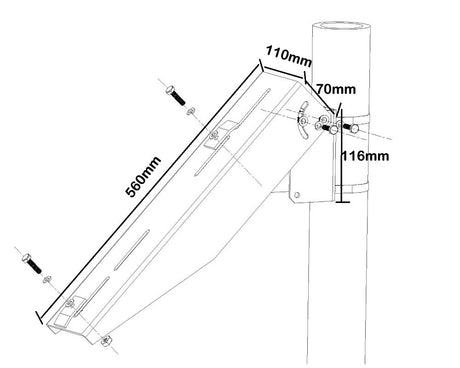
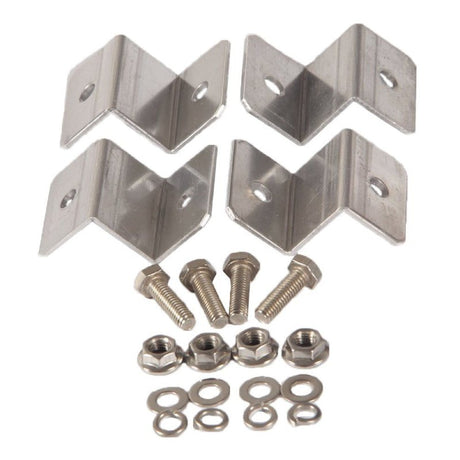
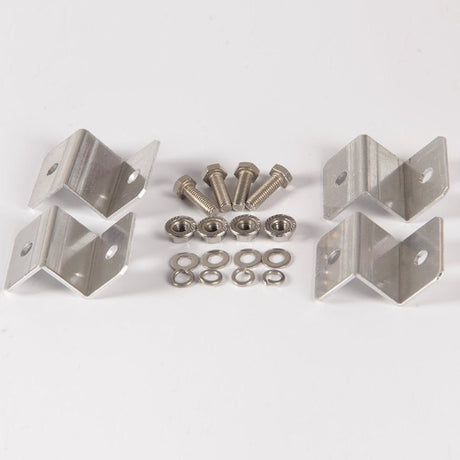
- Adhesive vs. mechanical fixing: Many users bond panels directly and add a few low-profile fasteners or edge strips for security. On hotter roofs or where airflow is critical, you can combine flexible modules with low-profile hardware from the Solar Panel Bracket collection to introduce a small air gap.
- Heat and shading: Dark, unventilated roofs run hot. Avoid mounting directly over insulation voids or exhausts, and keep vents, antennas and roof racks from casting regular shadows across the cells.
- Cable entry and strain relief: Use proper glands, drip loops and strain relief so movement, vibration and water cannot stress the junction box or cable terminations.
For mobile projects such as vans, trailers and expedition rigs, a common pattern is a low-profile roof array for “drive and park” charging plus a small portable kit for shaded camps, as described in our Camping & Overlanding guide. On boats, careful layout around hatches and winches—as shown in the Marine & Yacht examples—helps balance harvest with safe movement on deck.
OEM & Custom Flexible Panel Solutions
If you are designing a product line or repeating the same installation across many vehicles or hulls, a standard kit is often more valuable than a one-off installation. In those cases, the flexible panel becomes part of your own system: shaped to your roof or deck, matched to your controller and wiring, and documented so technicians can install and service it consistently.
LinkSolar’s engineering team can take the lessons from this ready-made flexible range and turn them into a dedicated module for your platform—defining size, voltage, connector layout and mounting approach for your specific surface. To see how that process works in more detail, and when an OEM laminate makes sense over off-the-shelf panels, visit our Custom Flexible Solar Panels page and share a brief on your target power, geometry and environment.