Mini Solar Panels for IoT, Sensors & Embedded Devices
Mini solar panels are built for low-power loads where full-size modules are too large: wireless sensors, data loggers, beacons, trackers and small electronics. They let you test ideas quickly, keep prototypes running in the field and add solar to products without redesigning the whole enclosure.
This collection brings together different voltages, footprints and encapsulation types so you can match a panel to your device instead of forcing the device to match the panel. For deeper voltage and cell options, many builders start from our Solar Cells range, then move up to Custom Solar Panels once the electrical and mechanical requirements are locked.
Types of Mini Solar Panels in This Collection
Glass Mini Modules for Outdoor Durability
Glass-laminated mini modules offer the most robust packaging for long-term outdoor use. They are suited to exposed junction boxes, metering cabinets, small signs and sensor housings where impact resistance and UV stability matter. You will see similar panels on compact marine gear and environmental instruments like those shown in our Marine & Yacht projects and Solar for Weather Stations application.
PET & ETFE Laminated Mini Panels for Prototyping
PET and ETFE mini panels balance durability, weight and cost, making them a practical choice for prototypes, educational kits and early pilot deployments. They are easy to mount on flat plates or small housings and help you validate voltage, current and energy budget before committing to a fully custom module or enclosure.
Ring, Round & Special-Shape Mini Panels
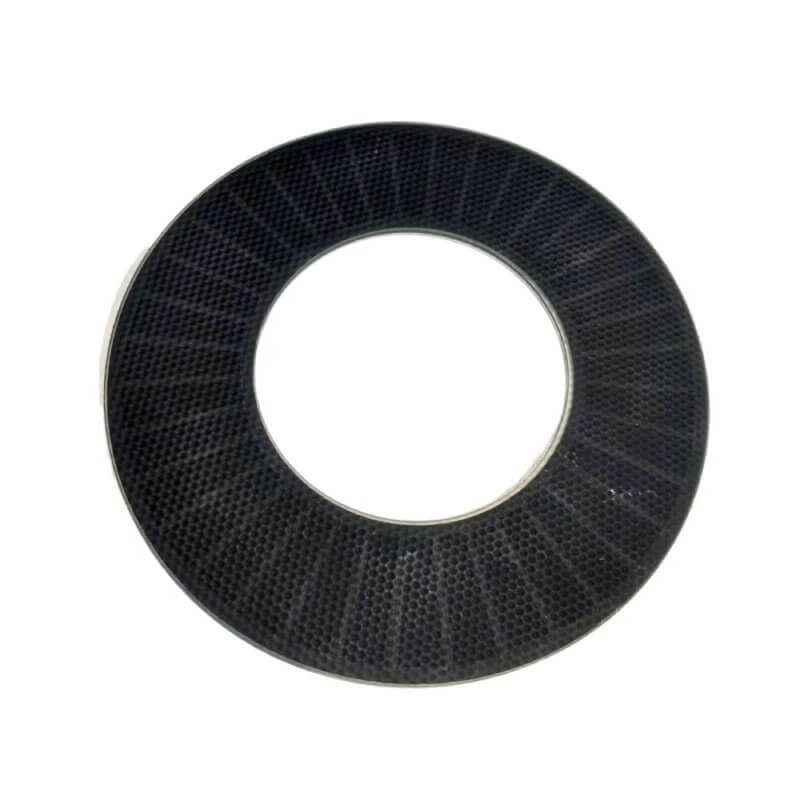
Ring and special-shape mini panels solve mechanical problems that square modules cannot: fitting around sensors or lenses, leaving space for antennas or fasteners, or matching brand and industrial design. They are often used as accent or auxiliary generators alongside larger off-grid systems, for example topping up small devices in setups that also use our larger Portable Solar Panels.
Board-Level & SMT-Ready Mini Panels
Board-level and SMT-ready mini panels are aimed at advanced DIY users who want the panel to feel like any other PCB-mounted component. These parts make it easier to integrate solar into compact electronics, and they are a natural stepping stone toward curved or surface-following laminates such as those in our Flexible Solar Panels collection when more area is available.
Integration & Design Notes
Getting good results from mini solar panels is mostly about matching the module, storage and load. A small amount of design work up front will make field performance much more predictable.
- Define your energy budget: Estimate average current draw and hours of operation per day, including sleep current. Mini panels can deliver impressive results, but they work within tight margins.
- Choose voltage with the regulator in mind: Decide whether you are feeding a DC/DC converter, a dedicated energy-harvesting IC or a simple charge controller, and pick panel voltage so it stays in a useful range across real-world sunlight and temperature.
- Plan for series/parallel options: Many projects start with one panel and later need more runtime. Designing space and connectors for series or parallel expansion now avoids PCB and enclosure changes later.
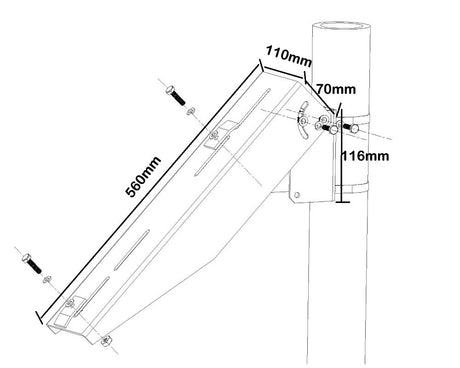
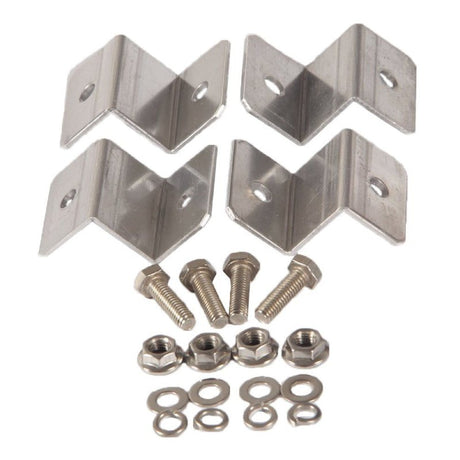
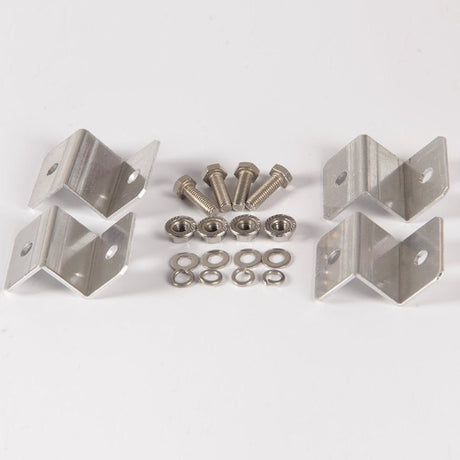
- Treat mechanics as seriously as electronics: Even small modules need secure mounting, cable strain relief and drip loops. On enclosures, you can often reuse techniques and parts from our Solar Panel Brackets & Mounts to give mini panels a clean, repeatable attachment method.
Custom Mini Solar Solutions
When the same device is being built again and again—whether it is a sensor node, tracking device or compact controller—it usually makes sense to move from generic mini panels to a dedicated module. At that point, the solar laminate becomes part of your product: tuned to the enclosure, power profile and assembly flow instead of being “bolted on” at the end.
LinkSolar supports teams that want to go from lab prototype to repeatable kit. A typical path is to validate voltage, power and duty cycle using off-the-shelf mini panels from this collection, then translate your findings into a custom footprint and encapsulation stack. The same approach applies to embedded solar on vehicles and rigs, where small auxiliaries and sensors complement larger arrays.