Adjustable Solar Panel Tilt Mounts for Better Yield
Solar panel tilt mounts let you change the angle of your modules to follow the sun, improve winter performance and shed snow and debris more easily. On RVs, cabins and small off-grid systems they can add a useful boost in daily energy without redesigning the whole array.
The tilt kits in this collection are sized for small and mid-size panels used on vehicles, roofs and ground racks. They appear in real projects on our RV & Campervan builds and Marine & Yacht installations, often combined with fixed hardware from the main bracket families.
Types of Solar Panel Tilt Mounts in This Collection
Tilt Legs for RV & Campervan Roofs
Tilt legs for RV roofs lift one edge of a module when you are parked, then fold flat for driving. They are a good match for low-profile roof arrays where height and weight matter but you still want better winter output or a quick way to clear dust and snow. In many vans and motorhomes only one or two panels tilt, while the rest remain fixed.
Roof & Deck Tilt Frames for Cabins & Sheds
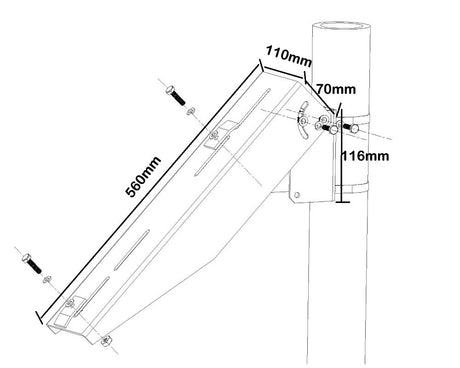
Roof and deck tilt frames create a small, adjustable stand on flat roofs, platforms and shed tops. They are used on cabins, workshops and small outbuildings where you want a defined tilt angle but do not need a full rail system. These frames often sit alongside fixed brackets and rails from the wider Solar Panel Brackets & Mounts collection when more modules are added later.
Ground Tilt Stands for Portable & Temporary Arrays
Ground tilt stands hold panels on the ground or on low platforms and are popular with users who do not want to drill roofs. They allow you to place panels in the sun while vehicles or shelters sit in the shade. Many people pair ground stands from this range with folding panels similar to those in our Portable Solar Panels collection for camping, events and backup power, following patterns described in the Camping & Overlanding guide.
Tilt Kits for Small Industrial & IoT Systems
In industrial and IoT applications, tilt brackets help keep compact modules pointed correctly on equipment housings, small racks and service platforms. They are used on telemetry cabinets, pump skids and similar assets where you want a defined angle and easier access than a pole-top mount, without adding heavy structural steelwork around the panel.
Installation & Use Notes
Tilt mounts add moving parts to a system, so a bit of planning makes them safer and easier to live with.
- Travel and storm positions: Define a “flat and locked” position for driving or high winds, and make it easy to secure panels there with pins, knobs or fasteners.
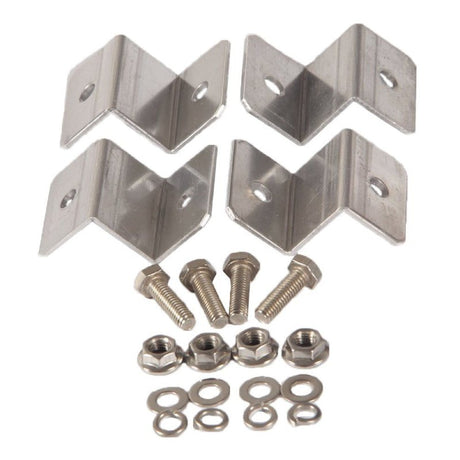
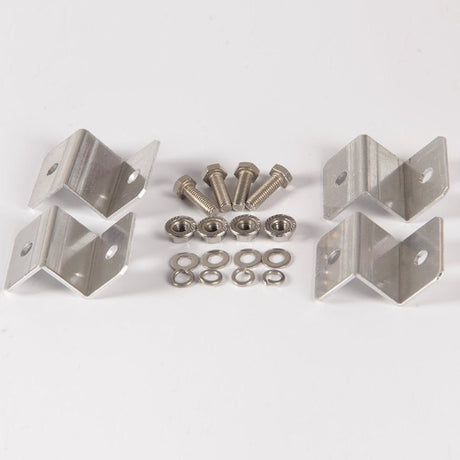
- Structure and fasteners: Fix tilt frames into structural members or rated anchors, not just thin skins. Follow torque guidance and re-check hardware after the first season.
- Clearance and shading: Make sure tilted panels do not cast excessive shadows on other modules, vents or hatches, and that they will not foul antennas or roof racks when raised.
- Access and safety: Plan how you will reach latches and knobs, especially on vehicle roofs. On buildings and platforms, think about handholds and safe working positions before you need to adjust tilt in bad weather.
- Wiring and protection: Leave enough slack in cables for the full tilt range, and use strain relief, clips and suitable DC protection devices similar to those found in our Accessories collection.
Repeatable Tilt-Mount Solutions
For project teams, tilt mounts become part of a defined kit rather than a one-off choice on each installation. A standard frame, fastener pack and wiring pattern saves time during assembly and makes it easier for installers to work safely on every unit.
Tilt hardware from this collection can be combined with dedicated modules specified through our Custom Solar Panels program to create repeatable vehicle, cabin or equipment packages. By fixing panel size, tilt range and attachment points, you give engineering, installers and service teams a stable mechanical interface that behaves the same way across prototypes, pilots and full rollouts.