Mini solar panels from 0.11 W to 25 W, in stock and shipped from China: bare laminated panels with solder pads for building into a device, cable and clip panels for 5 V and 12 V charging, and units with a battery bay and regulated output. Pick by power, voltage and front sheet below, or start from a use case — Arduino and ESP32 boards, IoT sensor nodes, 5 V USB charging, 12 V battery maintenance. Need a different outline, voltage or connector? Send those requirements for a custom mini solar panel review; sample availability and timing are confirmed in the quotation.
LinkSolar is a China-based B2B supplier of custom & OEM solar panels, solar cells and mounting hardware. Panels are manufactured to your drawing by partner production lines; we handle specification, samples, pre-shipment checks and export.
Mini solar panels in stock: power, voltage, size and connection
| Panel |
Power · voltage |
Size |
Front sheet |
Connection |
| Bare panels to build into a device |
| 0.11 W 5 V ETFE |
0.11 W · 5 V (22 mA) |
35 × 22 mm |
ETFE |
2 solder pads |
| 0.18 W 6 V ETFE |
0.18 W · 6 V |
45 × 45 mm |
ETFE |
2 solder pads |
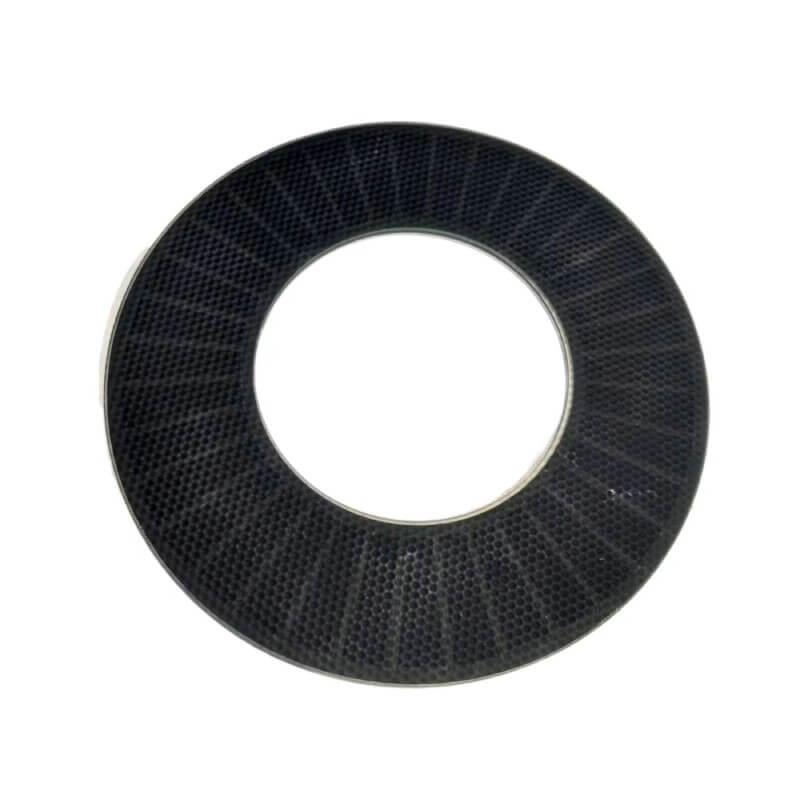
| 0.33 W 2.75 V ring |
0.33 W · 2.75 V |
85 mm outer, 21 mm inner diameter |
Matte PET |
2 solder pads |
| 0.45 W 3 V glass |
0.45 W · 3 V |
60 × 45 mm |
Tempered glass |
2 solder pads |
| 0.9 W 5.5 V |
0.9 W · 5.5 V |
75 × 69.5 mm |
Matte PET |
2 solder pads |
| 1 W 18 V semicircular |
1 W · 18 V |
153 × 73 mm, 45 × 30 mm cut-out |
ETFE |
2 solder pads |
| 1.3 W 6 V |
1.3 W · 6 V |
85 × 85 mm |
Matte PET |
Solder pads |
| 2.1 W 18 V bar |
2.1 W · 18 V |
247 × 44.5 mm |
ETFE |
2 solder pads |
| 2.3 W 5.5 V glass |
2.3 W · 5.5 V |
113 × 113 mm |
Tempered glass |
2 solder pads |
| Panels with a cable or clips |
| 1.2 W 6 V, 3-pack |
1.2 W · 6 V |
84 × 130 mm |
Framed, poly cells |
Micro-USB, about 2.8–3 m cable |
| 6 W 5 V |
6 W · 5 V |
210 × 170 mm |
PET |
Alligator clips, about 500 mm lead |
| 6 W 12 V |
6 W · 12 V |
210 × 170 mm |
PET |
Alligator clips, about 500 mm lead |
| 6 W 12 V DC5521 |
6 W · 12 V |
200 × 170 mm |
PET |
DC5521 plug, about 3 m cable |
| 12 W battery trickle charger |
12 W · for 12 V batteries |
— |
— |
Battery clip lead |
| Units with a battery bay and regulated output |
| 4 W multi-voltage |
4 W · switchable 5 / 6 / 9 / 12 V |
— |
— |
5.5 × 2.1 mm DC out; up to 6 × 18650 (not included); IP66 |
| 8 W multi-voltage |
8 W · switchable 5 / 6 / 9 / 12 V |
— |
— |
5.5 × 2.1 mm DC out; up to 6 × 18650 (not included); IP66 |
| 12 W multi-voltage |
12 W · switchable 5 / 6 / 9 / 12 V |
— |
— |
5.5 × 2.1 mm DC out; up to 6 × 18650 (not included); IP66 |
| 25 W with MPPT |
25 W · switchable 5 / 6 / 9 / 12 V |
— |
— |
Built-in MPPT; 5.5 × 2.1 mm DC out; 6-slot 18650 bay; IP66 |
| 8 W with four 18650 slots |
8 W · 3.7 V or 5 V output |
200 × 200 mm |
— |
Built-in charge controller; four 18650 slots |
A dash means the listing does not publish that value. Other outlines, voltages, leads and connectors are made to drawing: see custom mini solar panels.
▾Size by power and voltage
Quick pick by use case
Four builds we see most, mapped to the in-stock panel families above. Outlines are the listed sizes of the matching products.
| Your build |
What to pick |
Listed outlines |
Front sheet |
| Arduino or ESP32 project |
5–5.5 V bare panel (0.9–2.3 W), or a 4 W multi-voltage unit charging its own 18650 pack |
75 × 69.5 mm to 113 × 113 mm |
PET or tempered glass |
| IoT sensor node (LoRa, NB-IoT, GPS tracker) |
1–2.5 W at 5.5–6 V; 18 V bar panels where cable runs are long |
45 × 45 mm to 247 × 44.5 mm |
ETFE |
| 5 V USB and power-bank charging |
6 W 5 V panel with alligator clips, or the 4–12 W units switched to 5 V |
210 × 170 mm |
PET |
| 12 V battery maintenance (lead-acid, LiFePO4) |
6 W 12 V panel with clips or DC5521, the 12 W trickle charger, or 1–2.1 W 18 V panels with a controller |
200 × 170 mm to 247 × 44.5 mm |
PET or ETFE |
Choose a small solar panel by power
Start with the device's daily energy use, then check its peak demand separately. Use the table to shortlist panels, and send the operating schedule, installation location, available panel area and charging-circuit requirements when requesting a selection review.
| Panel power |
Typical use |
Example panels |
| 0.1–0.5 W |
BLE beacons, sensor tags, e-ink labels, trickle-charging coin cells and small Li-ion packs |
0.11 W 5 V ETFE (35×22 mm), 0.33 W 2.75 V ring panel, 0.45 W 3 V glass (60×45 mm) |
| 1–2.5 W |
LoRa and NB-IoT nodes, GPS trackers, soil and weather sensors, small controllers |
0.9 W 5.5 V, 1.3 W 6 V, 1 W 18 V semicircular, 2.1 W 18 V bar, 2.3 W 5.5 V glass (113×113 mm) |
| 4–12 W |
Cellular trail cameras, gateways, dataloggers with radios, pumps and fans on timers |
4 W / 8 W / 12 W panels with selectable 5 V, 6 V, 9 V and 12 V DC output |
| 25 W |
Security cameras, routers, small monitoring cabinets, 12 V battery maintenance |
25 W panel with built-in MPPT charge controller |
If you are not sure which row you are in, the guide on sizing solar for cameras and sensors walks through the daily-energy method with worked numbers.
Choose by voltage
-
2.75 V – 3 V: check the intended charging circuit's input requirements and the selected panel's electrical specifications before choosing this voltage range.
-
5 V – 5.5 V: confirm whether the selected product provides a regulated output or needs a separate charging circuit; a voltage label alone does not establish device compatibility.
-
6 V: check the selected panel's operating output against the charge controller's input range and the battery's charging requirements; confirm operation under the intended light conditions.
-
12 V and 18 V: lead-acid or 12 V LiFePO4 maintenance, or long cable runs where voltage drop matters.
-
Multi-voltage 5/6/9/12 V: the 4 W, 8 W and 12 W panels include a regulated DC output you set with a switch, so one part covers several products.
Wiring several panels together? See how to connect mini solar panels in series and parallel before you buy cables.
▾Construction and design specs
How these panels are built
Most panels in this collection use SMT-mounted back-contact cells laminated onto a PCB, which is why they stay thin and keep a clean front surface with no ribbon shadows. You can pick the front surface for the environment:
-
ETFE for long outdoor exposure and UV resistance.
-
Matte PET for cost-sensitive products and indoor or sheltered use.
-
Tempered glass where the panel is exposed to abrasion or needs a rigid, flat face.
The engineering background is in how SMT makes mini panels efficient. If you want the cells themselves rather than a finished panel, see solar cells.
Specifications you can design around
Check the selected product's listed dimensions, lead type and electrical specifications, including the operating voltage and current. Request the available datasheet or I-V data for that model. For a custom version, confirm the revised specifications against the charging circuit and validate the assembled design with samples before production approval.
Micro solar panels for hobby builds and electronics projects
The smallest parts here are what most people mean by a micro solar panel: the 0.11 W 5 V ETFE panel is 35×22 mm, and the 0.45 W 3 V glass panel is 60×45 mm. Confirm the selected model's availability, ordering quantity and electrical specifications before ordering a sample. Validate the sample with your circuit under the intended operating conditions.
For hobby electronics, compare the selected panel's operating voltage and current with the board's charging input and the battery's charging requirements. A 5–5.5 V or 6 V label alone does not establish compatibility. The Arduino and ESP32 wiring guide covers sizing and charger choice, and the small solar panel size guide lists outlines against watts and volts.
For small-batch product development, confirm the selected panel's specifications and availability before choosing a prototype part. Recheck any custom version against the charging circuit and validate the assembled design with samples. Before you pick a charger, read when MPPT beats PWM on small panels.
From stock panel to your own part
Stock panels are the fastest way to validate a solar-powered product. Once the power budget is proven, common next steps are a different outline to fit an enclosure, a specific voltage, integrated wires or connectors, mounting holes, or a branded surface print. All of these are handled as a custom mini solar panel project; the article on custom mini solar panels for IoT devices explains what to send us and what to expect back.
Where small solar panels are used
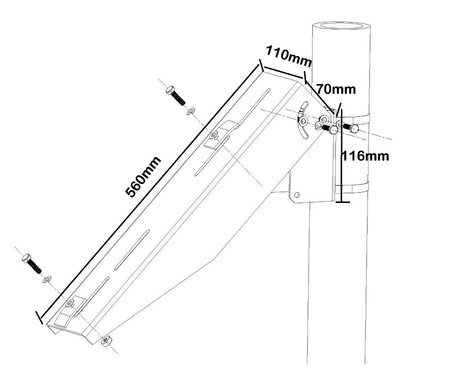
Larger loads that outgrow 25 W move to flexible solar panels. Check the selected panel's dimensions and mounting requirements against the intended small brackets and mounts before choosing hardware.
FAQ
What solar panels work for small electronics?
Check the device's daily energy use and its peak and startup demands separately. In this collection, 0.1–0.5 W panels suit BLE beacons, sensor tags and e-ink labels; 1–2.5 W panels suit LoRa and NB-IoT nodes and GPS trackers; the 4 W, 8 W and 12 W panels have a switchable 5/6/9/12 V DC output. For boards with onboard charging, confirm the board's input range, the panel's operating output and the battery's charging requirements before selection.
What is the difference between micro solar cells and mini solar panels?
A micro solar cell is bare silicon, often cut from a larger cell, with exposed contacts and no protective layer. A mini solar panel has its cells laminated behind a front sheet: most panels here use SMT-mounted back-contact cells on a PCB with an ETFE, matte PET or glass face. Cells suit your own laminates and classroom builds (see small solar cells and strips); panels fit straight into a device.
What should I look for when buying a mini solar panel for a DIY project?
Five things, all listed in the table at the top of this page. Power, checked against the device's daily energy use. Voltage, checked against the charging circuit's input range; a voltage label alone does not establish compatibility. Outline, checked against the enclosure. Front sheet: ETFE for long outdoor exposure, matte PET for cost-sensitive or sheltered use, tempered glass where the face sees abrasion. And connection: bare solder pads, a cable or clips, or a unit with its own battery bay and regulated output.
What sizes and voltages do mini solar panels come in?
In stock here, from 0.11 W at 5 V on a 35 × 22 mm panel up to 25 W. Bare panels come at 2.75 V, 3 V, 5–5.5 V, 6 V and 18 V. Cable and clip panels come at 5 V, 6 V and 12 V. The 4 W, 8 W, 12 W and 25 W units have a switchable 5 / 6 / 9 / 12 V DC output. Custom mini panels run from 3 V to 48 V, with custom outlines, cut-outs and PET, ETFE, fibreglass or glass laminates; start at custom mini solar panels.
Can I use a 6 V solar panel to charge a 12 V battery?
Match the panel to the battery. The voltage guide on this page puts 12 V lead-acid and 12 V LiFePO4 maintenance on 12 V and 18 V panels. In stock that means the 6 W 12 V panels (clips or DC5521 cable), the 1 W and 2.1 W 18 V panels, and the 12 W trickle charger made for 12 V car and boat batteries. Use a charge controller or regulator suited to the battery, and check the battery's voltage and chemistry before connecting.
Can I power an Arduino or ESP32 with a mini solar panel?
Yes, if the panel's operating voltage and current suit the board's charging input and the battery's charging requirements. Shortlist from the 5–5.5 V and 6 V rows, then check the board's input range. If you would rather not design the charging side, the 4 W, 8 W and 12 W units charge their own 18650 pack and give a regulated 5 V output on a 5.5 × 2.1 mm DC jack. Wiring and charger choice are covered in the Arduino and ESP32 wiring guide.
How small can a custom mini solar panel be?
In stock, the smallest listed panel is the 0.11 W 5 V ETFE panel at 35 × 22 mm. Custom panels are made to your drawing, so the outline is set by your enclosure rather than a stock size: common custom work includes outlines to fit a device case, cut-outs, mounting holes, integrated leads and a specific voltage from 3 V to 48 V. Confirm the achievable minimum for your design when you send the drawing.
How do I order mini solar panels in bulk?
Stock panels are ordered directly from the product pages in the quantities listed there. For volume supply, mixed formats, or panels made to your drawing, send the requirement — quantity, outline, voltage, connection and destination — and we quote from it. Minimum order quantity depends on the product; ask us for the MOQ on your item.